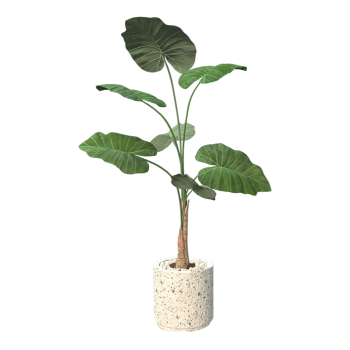
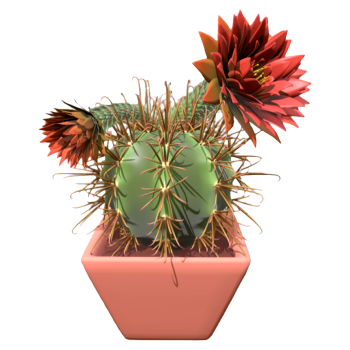
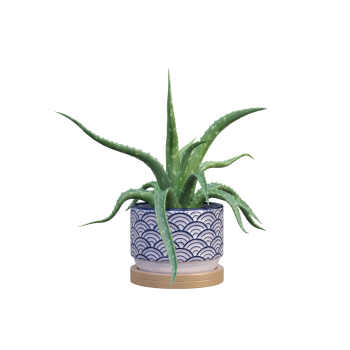
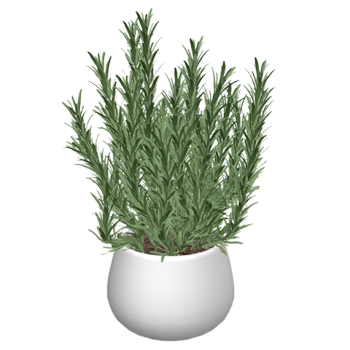
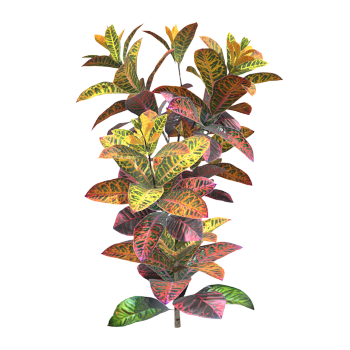
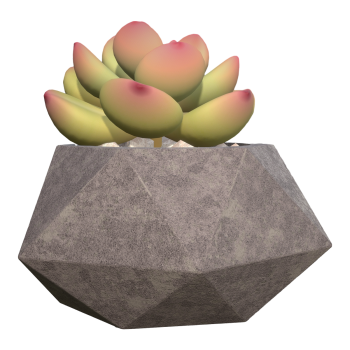
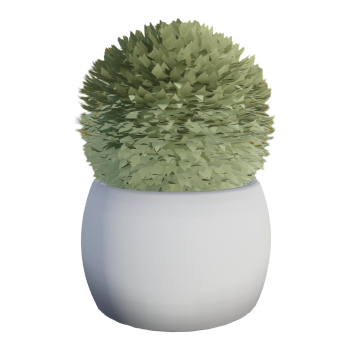
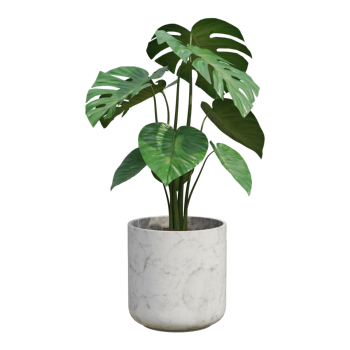
flower and leaf evergreen potted plant
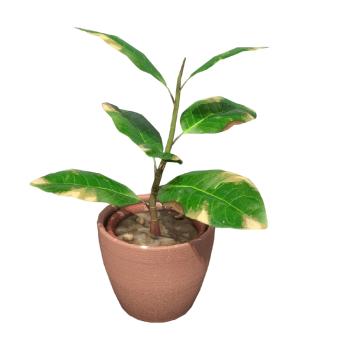
The flower leaf evergreen (Dieffenbachia), commonly known as "dumb sugar cane" (Dumb Cane). It has large ovate or heart-shaped leaves that are dark green with creamy white or pale green markings (mosaic leaves). This plant is a popular indoor foliage plant, preferring bright scattered light and moderately moist soil.
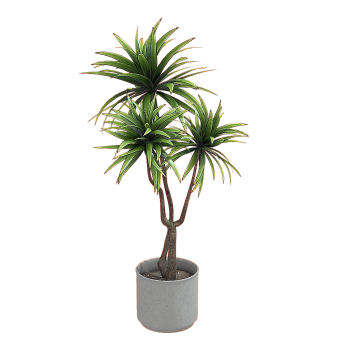
potted dracaemia
Dacaas are distinguished by their slender, sturdy brown trunks and their arched top with sword-shaped green leaves. It usually has multiple trunks growing from the base, giving it a lush, palm-like appearance.
Aster (Aster)
Aster is a popular ornamental plant commonly used in gardening and flower arrangement. Asteraceae. Herbs perennial. Stems erect, robust; basal leaves withered at anthesis, oblong or elliptic-spatulate; lower leaves spatulate-oblong; middle leaves oblong or oblong-lanceolate; involucral bracts linear or linear-lanceolate; style appendage lanceolate; achene obovate-oblong, purple-brown. The flowering period is from July to September and the fruiting period is from August to October. Because of its root color purple and soft, hence the name "aster".
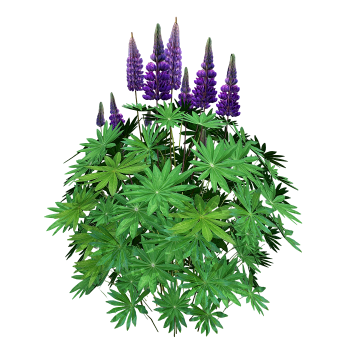
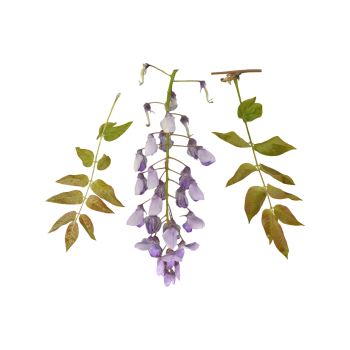
Lupine
Popular for their showy flowers, fan beans are often planted in gardens as an ornamental plant. In some areas, it is also used for agricultural purposes, and some varieties (such as white lupin and narrow-leaved lupin) are edible, but wild varieties often contain toxic alkaloids and need to be handled with caution.
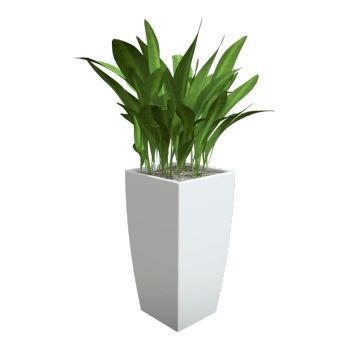
Potted plant with spider eggs (commonly known as "cast iron plant")
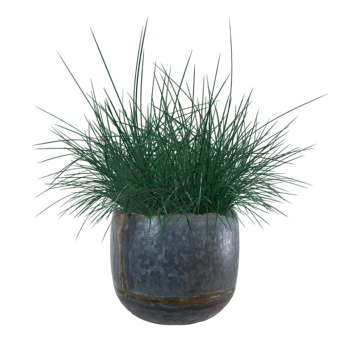
Spider holding eggs are tall and tidy, with thick green and bright leaves, graceful posture and strong adaptability. They are excellent foliage plants for indoor greening and can be placed in study rooms, bedrooms and other places with weak light. Spider eggs can absorb formaldehyde, hydrogen fluoride, can also absorb dust, can purify the air.
Domestic Aloe Green Plant
It is a perennial evergreen herb belonging to the genus Aloe, Lilaceae. It is native to Africa, but is now widely cultivated in tropical and subtropical regions of the globe. Known for its medicinal value and cosmetic effects, it is known as the "magic plant". The leaves are juicy and rich in gel, which can be extracted directly for use in medical and cosmetic products. It has anti-inflammatory, antibacterial, analgesic and wound healing properties and is commonly used to treat burns, scalds, cuts and skin inflammation. Aloe vera gel is also rich in vitamins, minerals, amino acids and antioxidants that help nourish the skin, reduce scarring and improve skin condition.
Large flowered purslane potted plant
The large flowered purslane is an annual herb, measuring 10-30 centimeters in height. The stem is lying flat or slanting upwards, purple red in color, with many branches and clustered hairs on the nodes. The leaves are densely distributed at the ends of the branches, and the lower leaves are irregularly interlocked. The leaves are thin cylindrical and hairless. Flowers solitary or clustered at the ends of branches, with a diameter of 2.5-4 centimeters, open on the day and close at night; 8-9 leaf shaped bracts, whorled, with white long soft hairs; Petals 5 or double, inverted, slightly concave at the top, measuring 12-30 millimeters in length, red, purple, or yellow white. Capsule nearly elliptical, lid cracked; The seeds are small, mostly round kidney shaped, with a diameter of less than 1 millimeter. The flowering period is from June to September, and the fruiting period is from August to November.
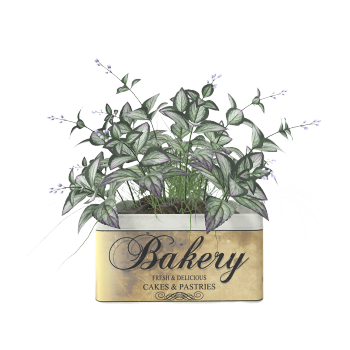
Light purple hairy croton
Light purple hairy croton is a shrub, 1-2 meters tall; The tender branches, petioles, and inflorescences are covered with light purple brown or light purple waxy star shaped soft hairs; The branches are hairless. The leaves are thin and leathery, oblong elliptical or elliptical ovate in shape, 9-13 cm long and 3-5 cm wide, with a short pointed to gradually pointed tip at the top, a nearly circular base, and a full margin. The tender leaves turn black after drying, with sparse star shaped soft hairs along the midrib and lateral veins. The growing leaves become hairless; There are 3 basal veins, 3-4 pairs of lateral veins, and a curved arch connection near the edge; The petiole is 1.5-5 centimeters long and has two pedunculated cup-shaped glands at the top.
Sedge
Shamgrass is a perennial herbaceous plant of the genus Shamgrass in the family Cyperaceae. The rhizome is slender and grows prostrately, with enlarged spindle shaped tubers at the tip; The leaf cluster grows at the base of the stem, and the leaf sheath is closed and wrapped around the stem. The leaves are narrow and linear, shorter than the scale, and the sheath is brown; The inflorescence is compound spike shaped, with broad white transparent wings on the spikelet axis; Scales arranged in a tile like pattern, ovate or oblong ovate, green in the middle, purple red or reddish brown on both sides, long style; Small nuts are oblong ovate and triangular in shape; The flowering period is from May to August; The fruiting period is from July to November. The root and stem of sedge grow continuously and are long, resembling a small water chestnut, hence the name 'pig water chestnut'.
Popular Models
Random Model
Modern leisure innovative front sofa
521 View
Cow (with 3D model animation) fbx
338 View
Dome shaped dinosaur skull fossil
362 View